Uncover the Top Wineries in Russian River Valley for Tasting Experiences 95404
Sustainable Practices at Wineries in California
Understanding the nuanced vocabulary related to winery wine tasting is important for both novices and seasoned connoisseurs alike. Each term brings to life the experience of tasting wine and can improve one’s appreciation of the many intricacies involved. Wine tasting is extra than simply ingesting; it is an art that involves various senses and emotions.
To begin with, the term "nostril" refers again to the aromas one detects when smelling the wine. This is a vital step because the bouquet units the stage for the tasting experience. Notes of fruit, spice, earth, and wooden could mingle, providing a glimpse of what the palate might confirm. Understanding "nosing" the wine can dramatically elevate one's sensory journey.
One Other key side is the term "body." The body of the wine describes its weight and fullness on the palate. A full-bodied wine has a strong presence and tends to linger longer after swallowing. Conversely, light-bodied wines may really feel more delicate and refreshing. Recognizing the physique helps tasters assess the wine's construction and balance.
Plan the Perfect Vineyard Experience in Sonoma County
The concept of "tannins" is important in red wine tasting. Tannins are compounds derived from grape skins, seeds, and stems, contributing to a wine's texture and growing older potential. Excessive tannin wines typically lead to a dry mouthfeel, while decrease tannin ranges yield a smoother experience. This distinction is especially essential when pairing wines with food, as tannins can both complement or conflict with certain dishes.
In addition to tannins, "acidity" plays a big function within the wine tasting experience. Acidity offers wine its crispness and liveliness - Wine Tasting Etiquette for First-Time Visitors. Wines with larger acidity tend to be refreshing and energizing, making them excellent companions for a big selection of foods. Recognizing acidity can drastically enhance one’s food-pairing capabilities and general tasting enjoyment.
When delving into the flavour profile of a wine, one may encounter the term "end." The finish refers again to the aftertaste that lingers within the mouth after swallowing. A long end is often related to high-quality wines, as it signifies complexity and depth. A brief end may recommend an easier wine. Figuring Out how to consider the finish can reveal a lot about a wine's character.
Exploring the "vintage" is also integral to wine tasting terminology. The vintage denotes the 12 months by which the grapes have been harvested. Different years can yield vastly totally different outcomes as a result of variations in local weather situations. For instance, a scorching summer can produce more concentrated flavors, whereas a cooler 12 months might yield more delicate, nuanced wines. Understanding vintage permits for a deeper appreciation of a wine’s origin and potential.
Experience Organic Wine Choices at Award-Winning Wineries in Sonoma
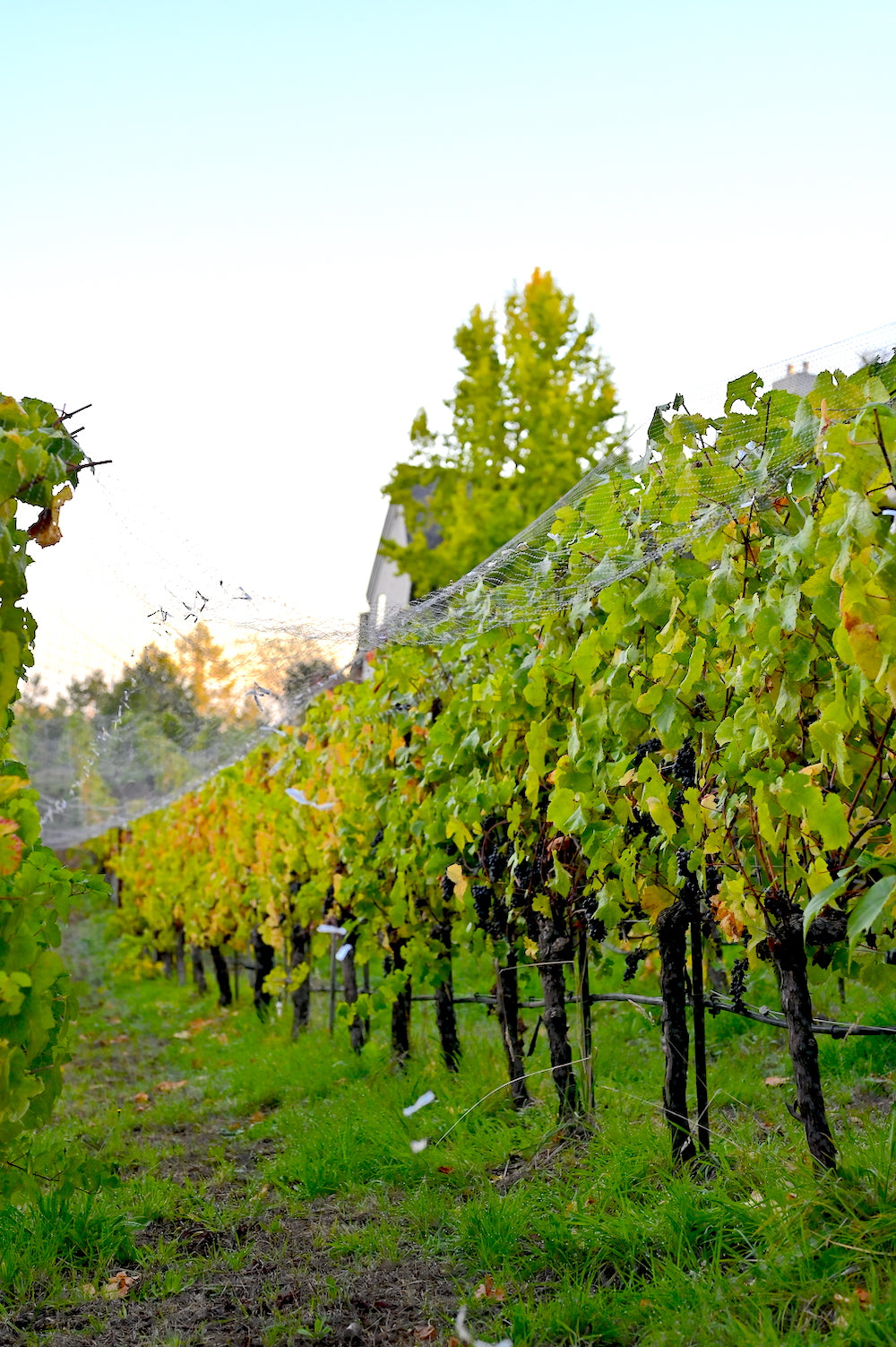
The term "terroir" encompasses the geographical and environmental elements that contribute to a wine's distinctive character. Factors similar to soil type, local weather, elevation, and topography all play a role within the flavor and quality of the wine. This connection to position helps one understand why wines from completely different regions can style so distinctively different, even when created from the same grape selection (Discover the Vineyards in Sebastopol for Exceptional Wine Tasting).
When participating with wines, the phrase "leg" refers to the droplets that kind on the within of the glass after swirling. These droplets can indicate the wine's alcohol content and try this out viscosity. Whereas observing the legs may not immediately relate to the wine’s taste, it provides to the general experience and intrigue of wine tasting less transparent.
Savor Premium Chardonnay and Pinot Noir from The North Coast
A more specific term which will arise during tastings is "oak." The affect of oak barrels on wine can impart flavors similar to vanilla, toast, or spice. The diploma of oak aging can differ broadly amongst wines, affecting both aroma and taste. Understanding oak therapy supplies insights into the winemaker’s selections and the ensuing complexity of the wine.
In wine tasting, one might also hear the term "palate." The palate refers again to the general style experience in the mouth. This encompasses sweetness, bitterness, acidity, and body. A well-balanced palate is important for a harmonious tasting experience, and recognizing any imbalances helps assess the quality of the wine.
The experience of wine tasting is significantly enriched by understanding the terminology that accompanies it. Each term serves a purpose, enhancing the ability to convey thoughts and feelings in regards to the wine one's experiencing. This vocabulary bridges communication between tasters, sommeliers, and winemakers alike.

To fully get pleasure from wine tasting, it is important to interact all senses. The sight of the wine, its colour, and clarity can provide insight into its age and high quality. Swirling the wine releases aromas that heighten the olfactory experience, whereas the precise tasting allows for a complete evaluation of the wine's profile.
Family-Friendly Wineries in Sebastopol 95404
In conclusion, understanding the detailed rationalization of winery wine tasting terminology tremendously enhances the experience of tasting. Every term invites the taster to interact more deeply with the wine, encouraging connections to the senses, the winemakers, and the lands the place the grapes are grown. This nuanced vocabulary creates a richer, extra fulfilling wine tasting experience.
- Aroma refers again to the scents released by the wine, which can indicate its grape variety and affect the tasting experience.
- Tannins are natural compounds found in grape skins, seeds, and stems, contributing to the wine's construction and growing older potential.
- A end, or aftertaste, is the lingering flavor sensation that continues to be on the palate after swallowing, usually a key indicator of high quality.
- Physique describes the burden and fullness of wine within the mouth, generally categorized as light, medium, or full-bodied.
- Terroir denotes the unique environmental characteristics of a vineyard that have an effect on the taste and quality of the wine, including soil type and climate.
- Acidity is a critical component that contributes to a wine's freshness and balance, impacting its aging functionality and total flavor profile.
- Vintage signifies the year grapes were harvested and performs a major function in figuring out the wine's traits, reflecting particular weather conditions.
- Decanting includes pouring wine from its bottle into another vessel, allowing it to aerate and enhancing its flavors and aromas.
- A corked wine may be tainted by a faulty cork, resulting in musty or off-putting flavors that detract from the wine's supposed profile.
- The term “legs” refers to the droplets that cling to the within of a glass after swirling, usually related to the wine's alcohol content and viscosity.undefinedWhat is the meaning of "nose" in wine tasting?undefinedThe "nostril" refers again to the aroma profile of the wine, which is detected via the sense of odor. It's a vital side of wine tasting, as aromas can reveal so much concerning the grape variety, winemaking process, and getting older.
How ought to I properly taste wine?undefinedTo style wine successfully, comply with these steps: observe the color, swirl the wine to aerate it, take a gentle sniff to seize the aromas, sip and let it coat your palate, and eventually, note the finish. This approach helps in appreciating the wine’s complexity.
What are "tannins" and the way do they have an result on wine?undefinedTannins are natural compounds found in grape skins, seeds, and stems that contribute to a wine's construction and astringency. They can create a drying sensation within the mouth, and they also play a job in the wine's growing older potential.
Favorite Vineyard Picks in Sebastopol and Surrounding Areas 95472

What does the term "steadiness" mean in wine tasting?undefinedSteadiness refers to the concord between the different parts of a wine, such as acidity, sweetness, alcohol, tannin, and flavor depth. A well-balanced wine will have every of these parts supporting each other rather than overpowering the others.
What is the importance of "terroir" in wine tasting?undefinedTerroir encompasses the environmental factors—such as soil, climate, and geography—that affect the characteristics of the wine produced in a selected region. Understanding terroir helps tasters respect the distinctive qualities that completely different regions impart to their wines.
What does "vintage" imply and why is it important?undefined"Vintage" indicates the 12 months when the grapes were harvested. It is essential because it impacts the wine’s quality and traits, as weather circumstances in the course of the growing season can significantly affect flavor profiles and aromatics.
What are "legs" and what do they signify?undefined"Legs" discuss with the Eco-friendly wineries with organic practices Sonoma droplets that form and run down the within of a glass after swirling wine. Whereas they can indicate alcohol content material and viscosity, they don't determine quality—this is extra about personal notion of richness.
Local Insights for Navigating California Wineries

What does "full-bodied" imply versus "light-bodied"?undefined"Full-bodied" wines are rich, dense, and infrequently have greater alcohol content and complicated flavor profiles, while "light-bodied" wines are extra delicate and refreshing with a lower alcohol content. This distinction helps tasters perceive the expected weight and mouthfeel of the wine.
How can I establish fruit flavors in wine?undefinedTo identify fruit flavors, consider the aroma and style profiles. Swirl the wine, inhale deeply to capture the bouquet, and focus on specific traits. Familiarity with typical fruit profiles of various grape varieties can improve this identification process.
What is "end" in wine tasting?undefinedThe "finish" refers to the aftertaste that lingers in the mouth after swallowing. A lengthy, complex finish is commonly a sign of high quality in a wine, as it displays the depth of flavor and overall craftsmanship within the winemaking course of.